
How Modern Life Disrupts Our Natural Healing Rhythms
We live in an age of constant connection—messages pinging, screens glowing, calendars stacked edge to edge. We wake to alarms, rush into routines, and often fall asleep with our phones still in hand. It’s no wonder our bodies are asking for something gentler.
In our quest to be efficient and available, we’ve quietly drifted away from something essential: our natural rhythm. The body was never designed to live by the buzz of notifications or the glow of blue light at midnight. It was designed to rise with the sun, to rest when darkness falls, and to move in tune with the ebb and flow of nature.
The Cost of Constant Connection
Social media keeps us “in touch,” but it also keeps our nervous systems on high alert. Every scroll, every like, every breaking headline pulls at our attention, keeping us suspended in a state of low-grade stress.
Our bodies, meanwhile, are still wired for slower things—for walking, breathing, digesting, being. When we spend hours tethered to screens, we unknowingly deprive ourselves of the sensory input that regulates our mood and supports healing: sunlight, fresh air, genuine human connection.
So, while technology connects us globally, it often disconnects us biologically.
The 9–5 That Forgot the Sun
For many of us, the workday structure doesn’t mirror how our energy naturally rises and falls.
The traditional 9–5 often asks us to sit still when our bodies want to move, to focus intensely under fluorescent lights when our eyes crave daylight, and to keep performing when our internal rhythms are calling for pause.
Daylight savings only adds to the confusion—one day we’re leaving work in golden light, the next in darkness. The result? Disrupted sleep cycles, fatigue, and a sense of being perpetually “off.”
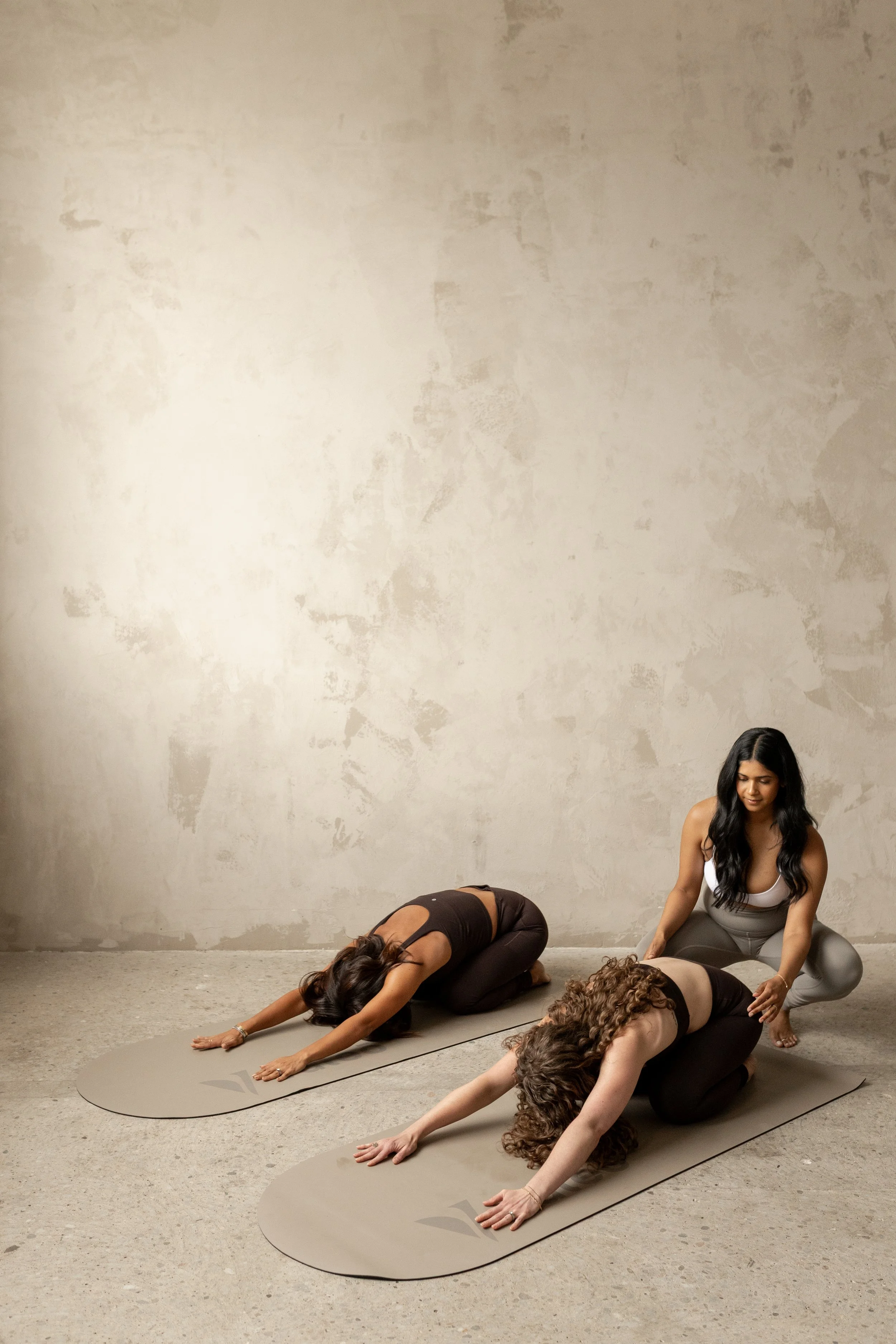
Pilates and mindful movement help us reconnect with the body’s intuitive pace. When you move with awareness—breathing deeply, engaging with precision—you restore the dialogue between body and mind that modern life has muted.
Movement as Medicine, Stillness as Strength
Healing doesn’t always look like “doing.” Sometimes it’s the opposite. When you pause to stretch, breathe, or simply notice how you feel, you’re allowing your nervous system to recalibrate.
In Pilates, we learn that alignment creates ease—that when the body moves efficiently, energy flows freely. The same is true for life. Alignment in how we rest, eat, and engage with the world allows our natural healing rhythms to reemerge.
The challenge isn’t just to disconnect from technology—it’s to reconnect with yourself.
A New Definition of Productivity
Imagine if we began to measure productivity not by how much we accomplish, but by how well we feel while accomplishing it. What if success included moments of stillness? What if balance was no longer a luxury, but a lifestyle?
The truth is, rest is not laziness—it’s maintenance. Downtime is not indulgent—it’s intelligent. Your body knows how to heal; it just needs the time and space to do so.
The Power of Gentle Reconnection
Relearning these rhythms doesn’t require a dramatic lifestyle overhaul.
It begins with small, intentional choices—stepping outside between tasks, honoring hunger and rest cues, allowing movement to feel nourishing rather than punishing.
Each gentle adjustment is a signal to the body that it is safe to slow down, to listen, and to heal. Over time, these moments accumulate, quietly restoring the cadence modern life has tried to override.
Coming Back to Rhythm
At Valeō, we believe wellness is the practice of remembering: remembering to breathe, to move, to pause. Remembering that your worth isn’t measured by your output, but by your aliveness.
So as the world hums with constant noise, let your Pilates practice be your quiet rebellion—a return to rhythm, to balance, to the natural tempo of being human.
Because healing doesn’t happen in hurry. It happens in harmony.